

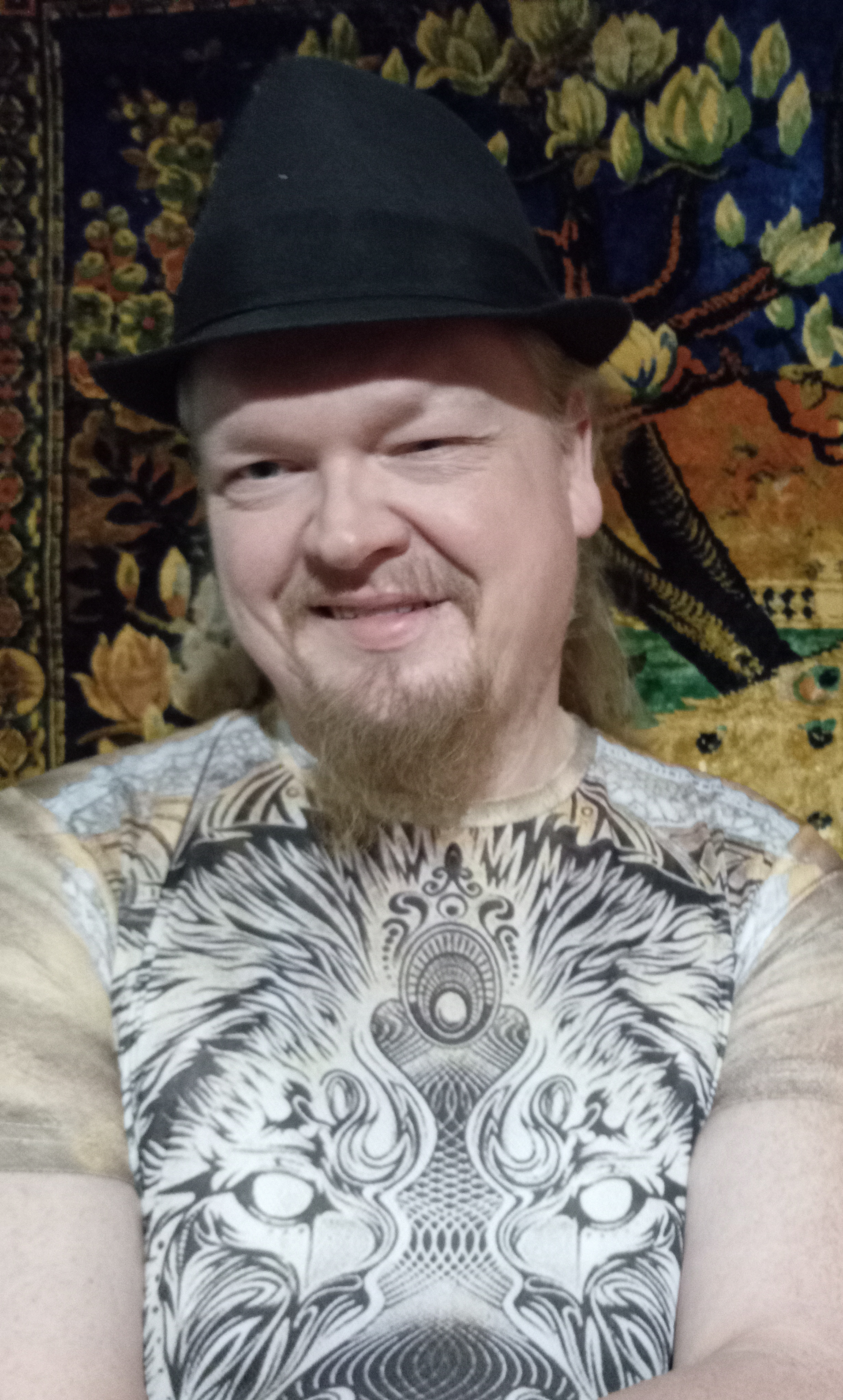
Introducing Havok’s Gaming Den: Where Games Become More Than Entertainment
KPHRED is proud to announce the launch of a bold new show that doesn’t just talk about games — it examines what games do to us.
Welcome to Havok’s Gaming Den, hosted by Havok Lionheart — a lifelong gamer, strategist, systems thinker, and unapologetic advocate for intentional play.
This show isn’t about patch notes, rankings, or hype cycles. It’s about something deeper: why games exist, what they train, and who they turn us into.
Because before games were entertainment… they were education.
Long before consoles, controllers, cards, or rulebooks, humans were already gaming. Games emerged as one of humanity’s earliest training technologies — safe environments where people could practice danger, failure, leadership, risk, and strategy without catastrophic consequences. Over time, somewhere between arcade cabinets and mobile dopamine loops, we forgot that.
Havok’s Gaming Den exists to reclaim that forgotten truth.
Havok’s Gaming Den Displays Games as Training, Not Distraction
Each episode of Havok’s Gaming Den explores a single game, genre, or gaming culture moment through a unique analytical lens:
From tabletop RPGs and board games to card games, video games, PC games, and mobile platforms, the show treats games not as throwaway entertainment — but as tools that shape cognition, social behavior, emotional regulation, cooperation, leadership, and identity.
Some games sharpen us.
Some soothe us.
Some train patience, teamwork, and problem-solving.
Others train impulsivity, compulsion loops, dependency, and reaction without reflection.
And most of us never stop to ask which ones we’re playing — or why.
That’s where this show lives.
Welcome to the Den on KPHRED
The tone of Havok’s Gaming Den is intentional by design. Imagine an old tavern from a classic tabletop campaign — heavy wooden tables, worn dice, maps on the walls, fire crackling in the hearth. This is a space for conversation, reflection, analysis, and deep nerding out — without rage farming, clickbait, or trend chasing.
It’s not a review show.
It’s not a news show.
It’s not a nostalgia channel — though nostalgia will absolutely make guest appearances.
It’s a purpose-driven gaming show, grounded in psychology, history, sociology, design theory, and real-world outcomes.
The show will explore everything from Dungeons & Dragons as a therapeutic social simulator, to Settlers of Catan as an economic and negotiation engine, to mobile idle games as behavioral conditioning systems. No genre is off-limits — but none escape examination.
The guiding philosophy is simple:
Game with Purpose. Play with Intent.
Who Is Havok Lionheart?
Havok Lionheart is not your typical gaming host.
He’s an old-school gamer in the truest sense — tabletop, cards, board games, pen-and-paper RPGs, puzzles, strategy systems, and early video games. He doesn’t just play games — he studies them. He dissects mechanics. He debates design choices. He obsesses over balance systems, incentive structures, and emergent behaviors.
To Havok, games are art — not because they look good, but because when they’re well-designed, they teach without lectures, challenge without punishment, and train without harm.
His approach is opinionated, but not performative. Analytical, but not academic. Philosophical, but grounded in real-world examples. He doesn’t believe games are neutral — because no system that rewards certain behaviors while punishing others ever is. And he believes gamers deserve better than being treated like dopamine consumers instead of thinking, learning, adapting humans.
That’s the voice behind the mic.
Why This Show Matters
Most gaming content asks:
- Is it fun?
- Is it popular?
- Is it broken?
- Is it meta?
Havok’s Gaming Den asks something else:
Is it making you better?
Better at thinking.
Better at cooperating.
Better at regulating emotion.
Better at solving problems.
Better at understanding people.
Better at understanding yourself.
Because if we’re going to spend thousands of hours and dollars playing games — and most of us will — we owe it to ourselves to know what those games are shaping us into.
Games are not toys.
They are training grounds for becoming human.
And that’s the conversation this show is here to have.


